The Kindergarten Resource

Victoria is the first Australian state or territory to give children universal access to 2 years of funded kindergarten programs before they start school. Victoria’s expansion of Three- and Four-Year-Old Kindergarten gives children the ‘gift of time’ with qualified early childhood teachers and educators, during a period of rapid brain development. Providing a longer program … Read more
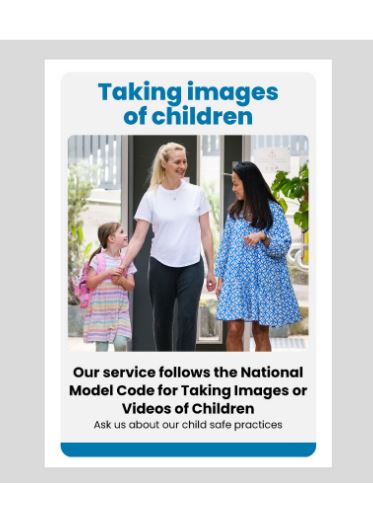
Taking Images in Education and Care Services

Educators in services may take or record images or videos to document and communicate with you about your child’s learning and participation in early learning experiences. Sharing images and videos through overly frequent updates can sometimes occur and take the place of providing more meaningful information to families and carers. This can also impact educators’ … Read more

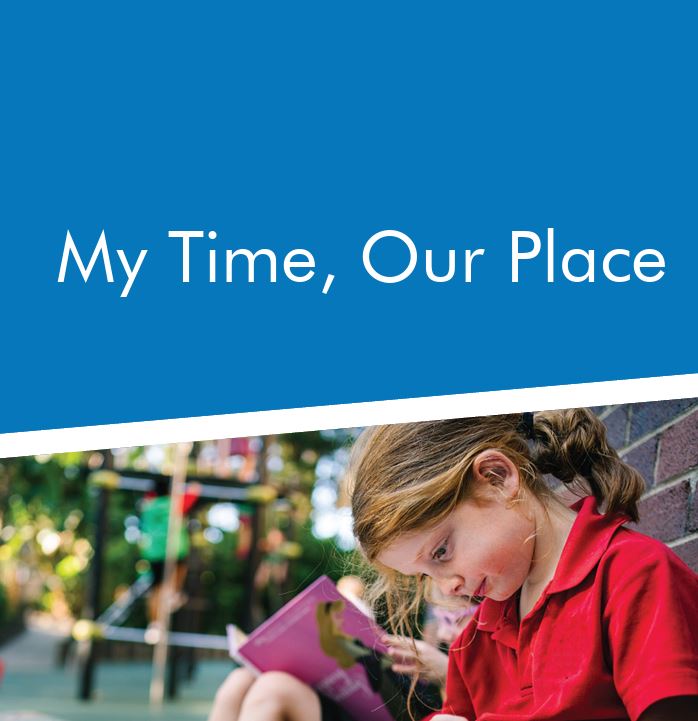
My Time Our Place: Framework for School Age Care v2

The aim of My Time, Our Place: Framework for School Age Care in Australia (the Framework) is to assist educators to provide children and young people with opportunities to maximise their potential and develop a foundation for successful lifelong learning. The Framework has been designed for use by approved providers and school age care educators … Read more

Belonging, Being and Becoming: The Early Years Learning Framework v2

The aim of Belonging, Being and Becoming: The Early Years Framework for Australia is to support early childhood providers, teachers and educators to extend and enrich children’s learning from birth to 5 years and through the transition to school. The Early Years Learning Framework (the Framework) draws on robust Australian and international evidence that confirms … Read more

Child Safety – ACECQA

In 2025 Education Ministers agreed to reforms that will increase child safety in education and care services. The reforms include changes to the Education and Care Services National Law (National Law) and the Education and Care National Regulations (Regulations), and to the information and systems provided by ACECQA to support the sector and public. Press … Read more

Encouraging playgroup participation: What works to support the wellbeing of children and parents?

Playgroups offer children (aged 0–5) and their families a unique space to play, learn and connect. For over 40 years, playgroups have been a vital part of Australia’s early childhood landscape – helping children develop social, emotional and communication skills, while also providing parents and carers with valuable support and community connections. Despite these benefits, … Read more

Promoting wellbeing in neurodivergent families

In Australia, an estimated 1 in 5 people are neurodivergent – meaning their brains function, learn and process information differently to the current social and cultural norm. Neurodivergent people can have a range of clinical diagnoses but can also self-identify without a clinical diagnosis. Neurodivergence often runs in families, and a growing number of parents … Read more

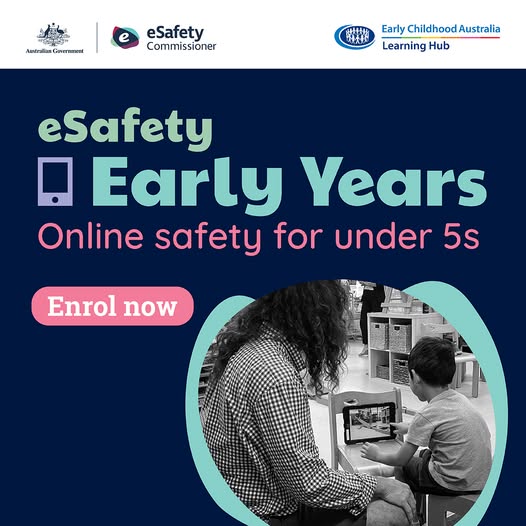
eSafety Early Years

The eSafety Professional Learning courses, developed by the eSafety Commissioner and Early Childhood Australia, provide practical advice, tips and strategies to support safe and positive digital experiences for young children. The courses encourage building positive online habits and provide guidance on how to use them successfully in your daily practice. Enrol now: https://bit.ly/49dE7XN

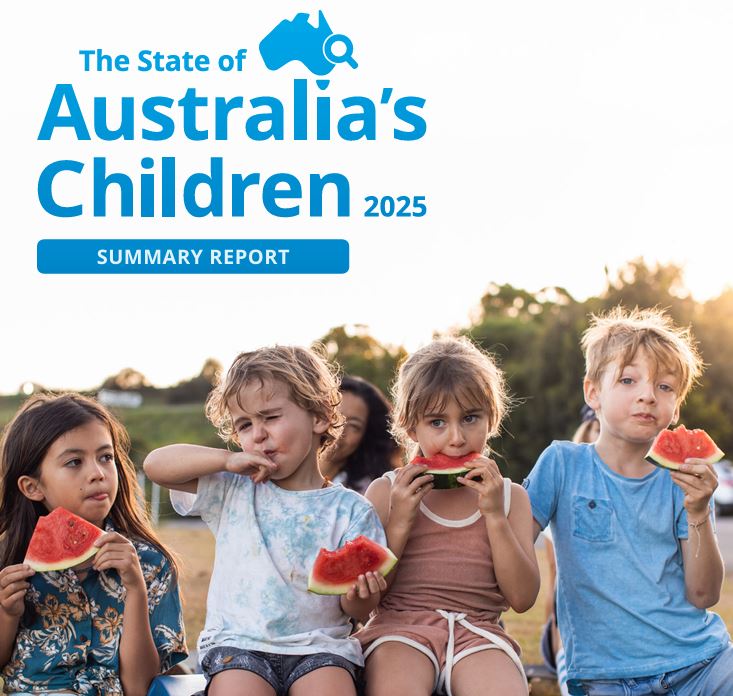
The State of Australia’s Children 2025 Report

This report shows that many children and young people are getting the support they need. It highlights positive progress and foundations on which to build. Early childhood education enrolment is increasing, youth civic participation is rising and key health indictors such as low birthweight rates and immunisation coverage remain relatively strong. Early experiences shape children’s … Read more

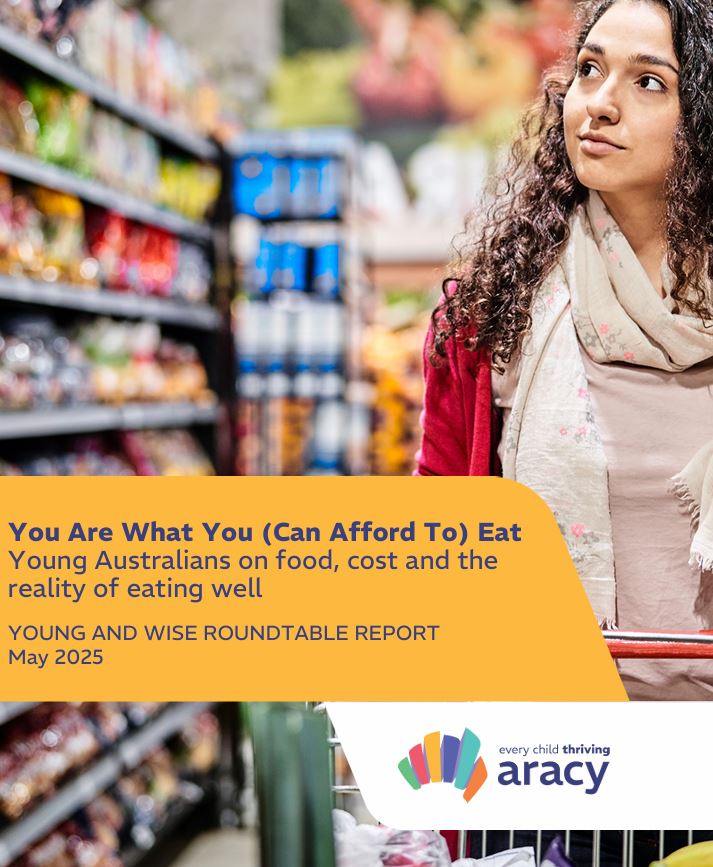
You Are What You (Can Afford To) Eat

The purpose of this Young and Wise roundtable is to gain an understanding of the perspectives of young people about Nutrition, to support the Department of Health, Disability and Ageing in developing policies and communications that will be more meaningful and reflective of their audience. Key discussion themes, identified in consultation between ARACY and The … Read more

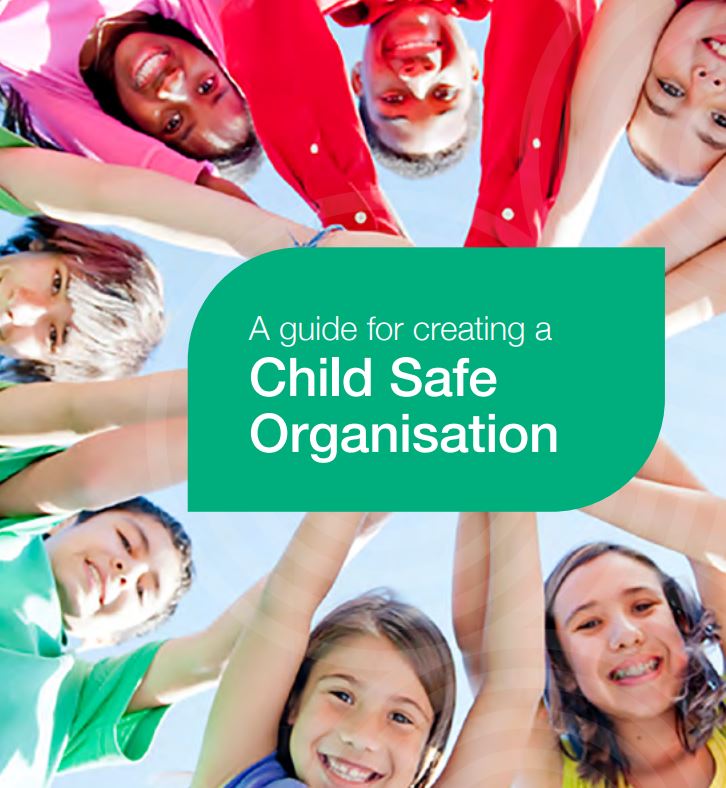
A guide for creating a Child Safe Organisation

This edition of A guide for creating a Child Safe Organisation has been updated to reflect new standards that further strengthen and reinforce the protection of children’s safety when engaging with organisations. While we know that the overwhelming majority of individuals working with children have their best interests at heart, we continue to see children … Read more