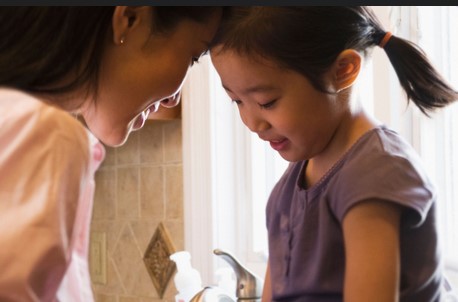
The Pregnancy, Birth & Baby’s provides advice for raising toddlers to parents and carers. Childhood Behaviours webpage gives an overview of common behaviours in babies, toddlers and young children. This includes explaining what’s typical, why these behaviours occur, and when to seek extra support. It groups behaviours into themes such as challenging behaviours and habits, social development and emotional development.
Bahavioural Challenges and Habits
There are many behaviours that are developmentally normal.
Click on the topic below to read more.
Fussy Eating in Toddlers and Children
Fussy eating is a normal part of development. Many children, especially toddlers, are picky eaters. There are things you can do to encourage your child to try at least a few bites of nutritious food at each meal.
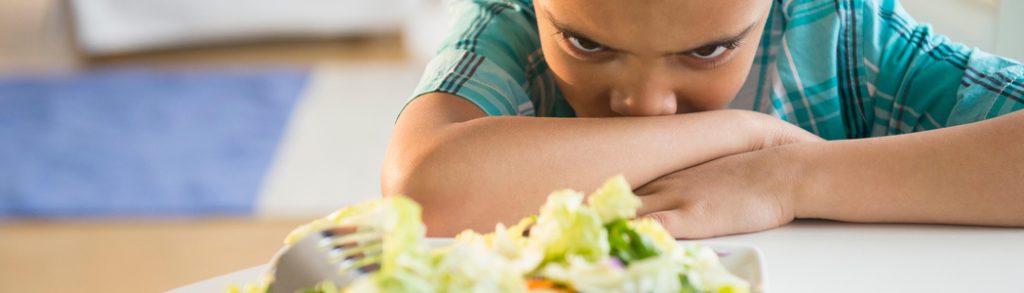
Topics covering fussy eating in toddlers and children include:
- What is fussy eatting?
- What should I do if my child is a fussy eater?
- How do I get my child to try new foods?
- How do I encourage my child to have a variety of different foods?
- How can I make eating fun for my child?
- When should I get help for fussy eating?
- Resources and support
- Related information on Australian websites
Read full article here: Fussy Eating in Toddlers and Children page (12-minute read).
Good Sleep Habits for Infants and Children
As your child grows, they will sleep for longer and sleep deeper. Good sleep habits include exercising during the day, eating well, relaxing around bedtime and having a bedtime routine.

Topics coveing good sleep habits in toddlers and children include:
- Why is sleep so important for my child?
- How does my child’s body regulate sleep?
- How much sleep does my child need?
- What are sleep habits?
- How can I help my child form healthy sleep habits?
- Resources and support
- Related information on Australian websites
Read full article here: Good Sleep Habits for Infants and Children page (10-minute read).
Bedwetting in Children
Bedwetting is when children empty their bladder (do a wee) while they are asleep, wetting the bed. It might happen occasionally or every night.
Bedwetting is common in young children and generally causes no lasting problems. It can sometimes continue in older children.

Topics covering bedwetting in children include:
- What is bedwetting in children?
- Why do some children wet the bed?
- When should I see a doctor
- How is bedwetting treated?
- How can I help my child?
- Resources and support
- Related information on Australian websites
Read full article here: Bedwetting in Children webpage (7-minute read)
Children and Biting
Biting is a normal part of childhood development. It’s not necessarily a sign that something is wrong, or that your child is naughty or badly behaved.
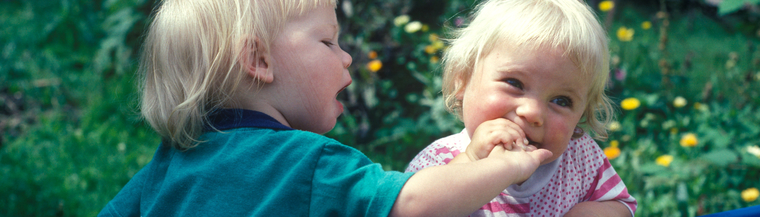
Topics covered around children and biting include:
- Why do children bite?
- How should I respond when my child bites?
- What should I not do when my child bites?
- What should I do if my child bites while breastfeeding?
- What if my child has been biting when I’m not nearby?
- What if my child is being bitten?
- First aid for bite wounds
- Resources and support
- Related information on Australian websites
Read full article here: Children and Biting page (6-minute read)
Temper Tantrums
Tantrums are normal in toddlers and mostly occur up to when they’re 3 years old. Children may have a tantrum when they are overwhelmed by feelings, such as frustration or disappointment.
If your toddler has a tantrum, remain calm and stay with them in a quiet place while they calm down, but don’t try to reason with them or give in to what they want.
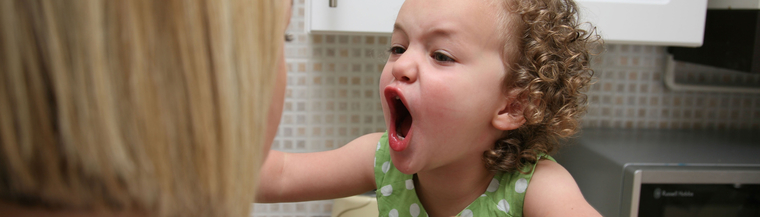
Topics covering temper tantrums include:
- What are temper tantrums?
- Why do toddlers have tantrums?
- How can I prevent my child having a tantrum?
- How can I prevent my child from pestering me?
- How should I respond if my child has tantrum?
- What should I do after the tantrum?
- How can I encourage good behaviour in my toddler?
- When should I seek professional help?
- Resources and support
- Related information on Australian websites
Read full article here: Temper Tantrums (9-minute read).
Thumb Sucking
Thumb sucking in babies is common. Most children stop sucking their thumb (or fingers) by themselves.
Some children who keep sucking their thumb as they get older can have problems with their teeth. There are different ways that can help your child to stop sucking their thumb, including using rewards, placing something on their thumb or seeing a dentist.

Topics covering tumb sucking includes:
- What is thumb sucking?
- Why do babies and children suck thier thumbs?
- Is thumb sucking bad for teeth?
- How can I stop my child sucking thier thumb?
- When do I get help for tumb sucking habits?
- Resources and support
- Related information on Australian websites
Read full article here: Thumb Sucking page (7-minute read).
Growing Pains in Children
Growing pains are common in children between 3 and 12 years old. Up to one third of children experience them at some stage.
Topics covering growing pains in children include:
- What are growing pains?
- What are the symptoms of growing pains?
- What causes growing pains?
- When should I see my doctor?
- How are growing pains diagnoised?
- How are growing pains treated?
- Living wih growing pains
- What are the complications of growing pains?
- Can growing pains be prevented?
- Resources and support
- Related information on Australian websites
Read full article here: Growing Pains page (7-minute read)
Children and Lies
Telling lies is a normal behaviour for your child. As they develop and get older, they will get better at understanding what is right, wrong, real and imaginary.
It’s important to teach your child to be truthful by being an honest role model. Your child will learn to tell the truth as they grow.
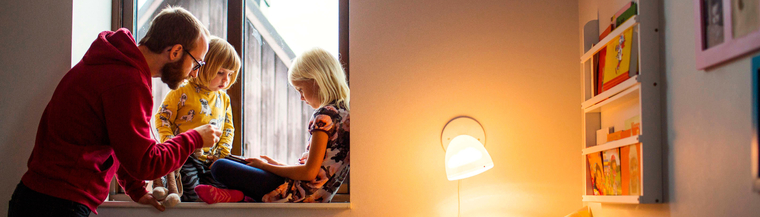
Topics covering children and lies include:
- Is it normal for my child to tell lies?
- Why does my child tell lies?
- How should I respond if my child lies?
- When should I be concerned about my child telling lies?
- Resources and support
- Related information on Australian websites
Read full article here: Children and Lies page (7-minute read).
When your Child’s Favourite Word is ‘NO!‘
At around 2 years old, your child will learn to say ‘no’. You child may say ‘no’ and refuse to do things as a way to make their own choices. They might say ‘no’ to try and express difficult feelings that they don’t understand.
You can help manage this difficult behaviour by supporting them and giving them choices.
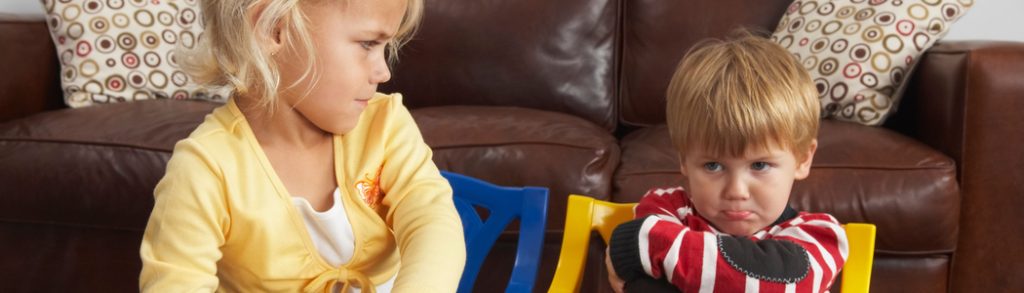
Topics covering when your child’s favoutie word is ‘no’ includes:
- What is toddler refusal?
- Why does my child say ‘no’?
- How do I deal with difficult behaviour?
- Resources and support
- Related information on Australian websites
Read full article here: When Your Child’s Favoutite Word is ‘No!’ page. (5 – minute read).
Nightmare and Night Terrors in Children
Nightmares are a normal part of growing up and usually not a cause for concern. Parents should just support and reassure their children to reduce their anxiety, and with time they should go away.
Most children have quite a few nightmares, but will usually outgrow them between the ages of 9 to 11 years.

Topics covering nightmares and night terrors in children include:
- What are nightmares in children?
- What are night terrors?
- What can you do to help?
- When should I see a doctor?
- How are night terrors treated?
- Resources and support
- Related information on Australian websites
Read full article here: Nightmare and Night Terrors in Children page (5-minute read)
Social Skills, Relationships & Positive Behaviour Building
Topics about interacting with others, forming relationships, and encouraging positive behaviour.
Click on the topic below to read more.
Building Positive Body Image in Kids
Body image is how you feel about your body and how it looks. It is shaped by what you think and believe about your size, shape and weight and how you identify with your gender.
Research has shown that some children as young as 4 are not happy with their body and may have a poor body image. It is important to encourage positive body image from a young age.

Topics covered about building positive body image in kids include:
- What is body image?
- What is a positive body image?
- What can affect my child’s body image?
- How can I help build my child’s positive body image?
- How do I talk to my child about their weight?
- Where can I find help?
- Resources and support
- Related information on Australian websites
Read full article here: Building Positive Body Image in Kids webpage (9-minute read)
Encouraging Good Behaviour
There are many positive parenting approaches you can use to help shape your toddler’s behaviour while building a good relationship.

Topics covering encouraging good behaviours include:
- Living with a toddler
- How will your family approach disapline?
- What kind of behaviour should I expect from my toddler?
- When should I seek help and support?
- Resources and support
- Related information on Australian websites
Read full article here: Encoudaging Good Bahaviour page ( 7-minute read)
Discipline Strategies
Discipline means more than just correcting misbehaviour. It means encouraging good behaviour and building a strong, secure relationship with your child. They will learn to make good choices because they want to do the right thing, rather than simply to avoid punishment.
Topics covered around discipline stratgies include:
- What is discipline?
- How can I teach my child good behaviour?
- Why might my child misbehave?
- What can I do to prevent difficult behaviour?
- What strategies can I use when my child misbehaves?
- How should I react?
- Is it harmful to smack my child?
- Resources and support
- Related information on Australian websites
Read full article here: Discipline Strategies page (7-minute read)
How Children Make Friends
Making friends is important for your child’s development and how your child makes friends will change as they grow up.
Topics covering how children make friends include:
- Why is it important for my child to make friends?
- How do young children make friends?
- How can I help my child make friends?
- How can I help when friendships go wrong?
- What if my child is struggling to make friends?
- Resources and support
- Related information on Australian websites
Read full article here: How Children Make Friends page (8-minute read)
Toddler and the New Baby
The arrival of a new baby can be a challenge for a toddler, because they will need to learn to ‘share’ their parents with their new sibling.
There are many things you can do as parents to help prepare your toddler for the arrival of your new baby, and to encourage bonding between your toddler and the newborn.

Topics covering toddler and the new baby include:
- Your baby and your toddler?
- Why is it important to prepare my toddler for a new sibling?
- What can I do to help my toddler cope with the arrival of a new baby?
- Safety for your new baby
- How can I manage my toddler during baby feed times?
- Resources and support
- Related information on Australain websites
Read full article here: Toddler and the New Baby page (11-minute read).
Sibling Rivalry
Sibling rivalry happens in most families and there are many reasons for it. Help your child learn the skills they need to work things out fairly.
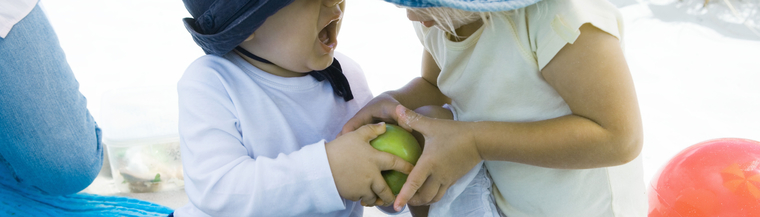
Topics covering Sibling Rivalry include:
- What is sibling rivalry?
- Age and fighting
- Why do children fight?
- Tips to manage sibling rivalry
- Is it more than sibling rivalry?
- Looking after yourself
- Resources and support
- Related information on Australian websites
Read full article here: Sibling Rivalry page (6-minute read)
Young Children and Bullying
Bullying is repeated behaviour that is meant to cause emotional, social, or physical harm. Bullying can be harmful to your mental health, self-esteem and relationships.

Topics covering bullying include:
- What is bullying?
- What are different types of bullying ?
- Why do people bully?
- What are the signs of bullying?
- What are the signs my child is being bullied?
- How might bullying affect me or my child?
- Hoe can bullying be stopped?
- Resources and support
- Related information on Australian websites
Read full article here: Bullying page ( 8-minute read).
Emotional & Psychological Development
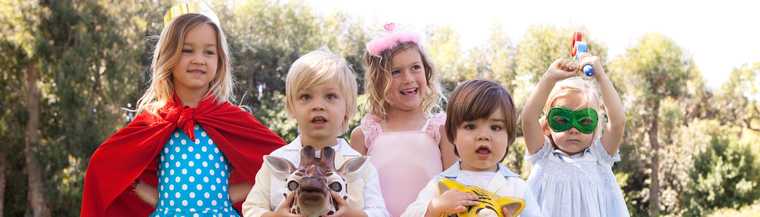
Topics focused on feelings, fears, confidence, and inner wellbeing.
Click on the topic below to read more.
Helping your Child Deal with their Emotions
Emotional development in children is complex and starts in infancy.Strong emotional development may help your child develop resilience and good emotional wellbeing.
Read full article here: Helping your Child Deal with their Emotions page (7-minute read)
You can help your child learn how to manage their emotions by teaching them ways to manage upsetting situations. If you are concerned about your child’s emotional development, it’s important to get help early.

Topics covering helping your child deal with their emotions include:
- What is emotional development?
- Why is emotional development important for my child?
- When does emotional development start?
- What is self-regulation?
- How will my child develop emotionally?
- How do I help my child understand their emotions?
- How can I help my child manage big emotions?
- How can I support my child who is struggling to deal with thier emotions?
- When should I get help?
- Resources and support
- Related information on Australian website
Helping Toddlers Manage New Situations
Many children may be sensitive or fearful when faced with new situations. Most children learn to cope with these feelings, however, if your child’s anxiety prevents them from participating in activities that other children enjoy, they may need extra support.

Topics covering helping toddlers manage new situations include:
- Why do some situations feel a bit scary for toddlers?
- What type of new situations might make my toddler anxious or shy?
- How can I help my child?
- When should I seek help?
- Resources and support
- Related information on Australian websites
Read full article here: Helping Toddlers Manage New Situations page (7-minute read)
Self-Esteem in Children
Self-esteem is a child’s overall sense of worth or personal value. A child’s self-esteem is formed by the way they see themselves and also by the way others behave towards them.
It’s important to help your child to develop self-esteem by encouraging them.Learning ways to cope with disappointment is also important for the development of children’s self-esteem.
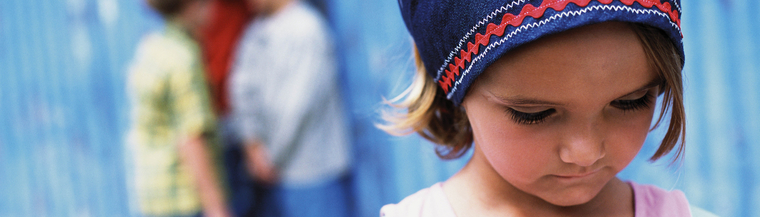
Topics covering self-esteem in children include:
- What is self-esteem?
- Building children’s self-esteem
- Prasie and encourage your child
- Ways to increase your child’s self-esteem
- Coping with disappointment
- Confidence in school
- Resources and support
- Related information on Australian websites
Read full article here: Self-Esteem in Children page (6-minute read).
Gender Roles, Idendity and Dysphoria in Children
Your child’s gender identity is their sense of who they are.Most children start to understand their gender identity at around 3 to 4 years of age.
However, gender roles are what society expects of males and females and can impact your child’s development and influence their experiences later in life.Being a positive role model and respecting your child’s gender identity can support their wellbeing.
Topics covered in gender roles, identify and dysphoria in children include:
- What is gender?
- What are gender roles and streotypes?
- When do children become aware of gender?
- How can gender roles impact my child?
- How can I model positive gender roles for my child?
- How can I help break gender streotypes?
- Diversity in gender expression
- What is gender incongruence?
- What should I do if my child is gender diverse?
- Gender dsphoria
- Resources and support
- Related information on Australian websites
Read full article here: Gender Roles, Identify and Dysphoria in Children page (10-minute read)
Childhood Sexuality
Sexuality is a natural part of being a person. Being curious about and feeling comfortable with sexuality is part of your child’s healthy development. You can help them to do this by talking openly about sex and sexuality.

Topics Covered around childhood sexuality include:
- Normal sexual behaviour in children
- Sexual behaviour in children
- Uncommon or problematic sexual behaviours
- Developing positive attitudes to sexuality
- Signs of sexual abuse
- Resources and support
- Related information on Australian websites
Full article here: Childhood Sexuality page (8-minute read)
Childhood Anxieties and Fear
Some fear and anxiety are a normal part of life. Anxiety or stress can help your child stay alert, motivated and safe.
For a child, the world can seem scary — they will not understand everything that happens around them. This can cause anxiety. Some children can cope with unknowns better than others. Some children struggle to manage their fears, which can affect their lives.
If you are concerned about your child’s fears or anxiety, you can find professional help.

Topic covered on childhood anxieties and fear include:
- What are the symptoms of anxiety in children?
- What is anxiety in children?
- What are normal anxieties and fears for my child’s age?
- How can I help my child overcome thier fears?
- What if my child’s anxiety becomes more serious?
- What are the different types of childhood anxirty disorders?
- How is child anxiety diagnosised?
- When should I see my doctor?
- How is childhood anxiety treated?
- Resources and support
- Related information on Australian websites
Full article here: Childhood Anxieties and Fear webpage (13-minute read)
Separation Anxiety in Children
It’s normal for babies and young children to be upset when someone they love leaves, even for a short time.Separation anxiety usually starts at 6 months old and improves as a child nears school age. There are strategies you can use to reduce your child’s anxiety and help them settle into a new environment.

Topics covering separation anxiety in children include:
- What is separation anxiety?
- What causes seperation anxiety?
- What are the signs of separation anxiety?
- What can I do to help my child settle into a new environement?
- What if my child’s separartion anxiety gets more serious?
- When should I seek help?
- Related information on Australian websites
Read full article here: Separation Anxiety in Children page (8-minute read)
Helping Children Deal with Emotional Trauma
Emotional trauma can be caused by one-off events, things that happen many times or the accumulation of many things.If your child has emotional trauma or is grieving, you may notice a change in their feelings and behaviours.
There are ways you can help your child recover from emotional trauma — the earlier you notice and get support the better.
Topics covering helping children deal with emotional trauma include:
- What is emotional trauma?
- What causes emotional trauma?
- What are the effects of emotional trauma?
- How will I know if my child has suffered emotional trauma?
- How can I help my child deal with trauma?
- How can I help my child deal with grief and loss?
- When should I see my doctor?
- How can I look after myself while supporting my child?
- Resources and support
- Related infromation on Australian websites
Read full article here: Helping Children Deal with Emotional Trauma page (14-minute read)
Pregnancy Birth & Baby is Australia’s leading pregnancy and baby website, supporting parents on the journey from pregnancy to preschool. Funded by the Australian Government and operated by Healthdirect Australia.